Blog ·
Why Your Window Shades Attract Dust: Understanding Static Electricity
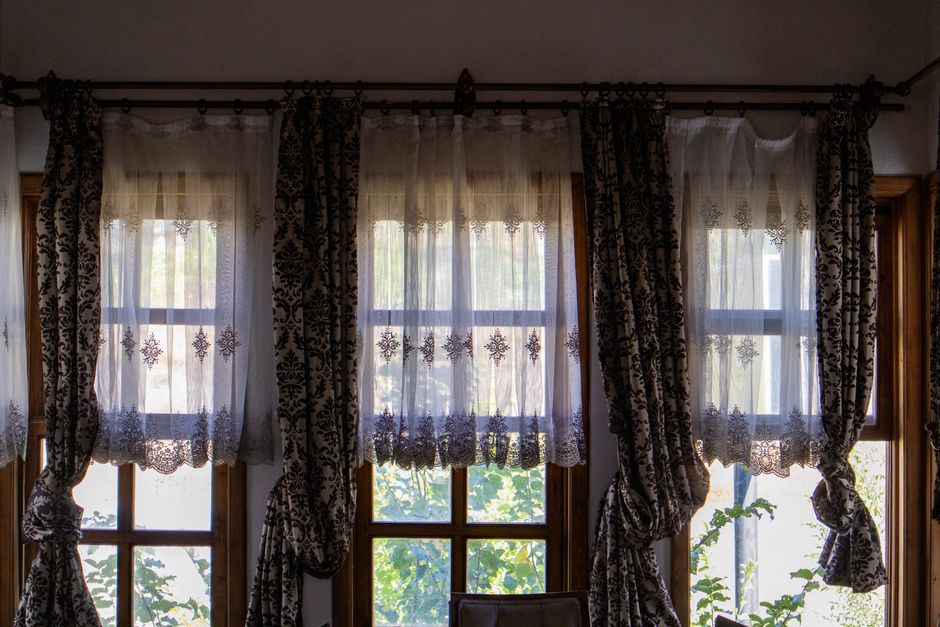
Have you noticed that your roller shades or custom drapes seem to collect dust more readily during certain seasons? Or that some of your blinds feel staticky to the touch? The culprit is often static electricity, a common phenomenon that affects many fabric window treatments.
Static electricity occurs when electrical charges build up on surfaces. This happens particularly in dry environments, such as during winter months when heating systems run continuously. Certain shade fabrics are more prone to static buildup than others, especially synthetic materials like polyester and various composite blends commonly used in roller shades.
How Static Electricity Affects Your Shades
When static electricity builds up on your window treatments, it creates an invisible magnetic field that attracts dust particles, pet hair, and other debris. This is especially noticeable with lighter-colored roller shades and custom drapes, where accumulated dust becomes more visible. The problem intensifies in low-humidity environments where electrical charges dissipate more slowly.
Different fabrics respond differently to static electricity. Natural fibers like cotton and linen in your custom drapes tend to be less susceptible to static buildup, while synthetic materials commonly used in roller shades and modern blinds accumulate charge more readily. This is important to understand when choosing your window treatments, as it affects maintenance requirements.
Managing Static in Your Window Treatments
If you are experiencing static issues with your roller shades or custom drapes, several practical solutions can help. Increasing humidity levels in your home helps reduce static buildup. Using a humidifier during dry months can make a noticeable difference. You might also consider an anti-static spray, though test this on a hidden area first to ensure it will not damage your specific shade fabric.
Regular maintenance is essential. Gently vacuuming your roller shades or drapes with a soft brush attachment removes dust before it becomes embedded. For blinds and shutters, a microfiber cloth works wonderfully to both remove dust and help dissipate any static charge.
When selecting new window treatments, discuss static sensitivity with your specialist. Natural fiber options for custom drapes tend to attract less dust from static electricity. If you prefer synthetic materials for their durability and light-filtering properties in roller shades, simply plan for slightly more frequent gentle cleaning.
Understanding how static electricity affects your window treatments helps you make informed choices about which styles suit your home and lifestyle. Your window treatments should enhance your space without becoming a dust magnet, so choose accordingly.